








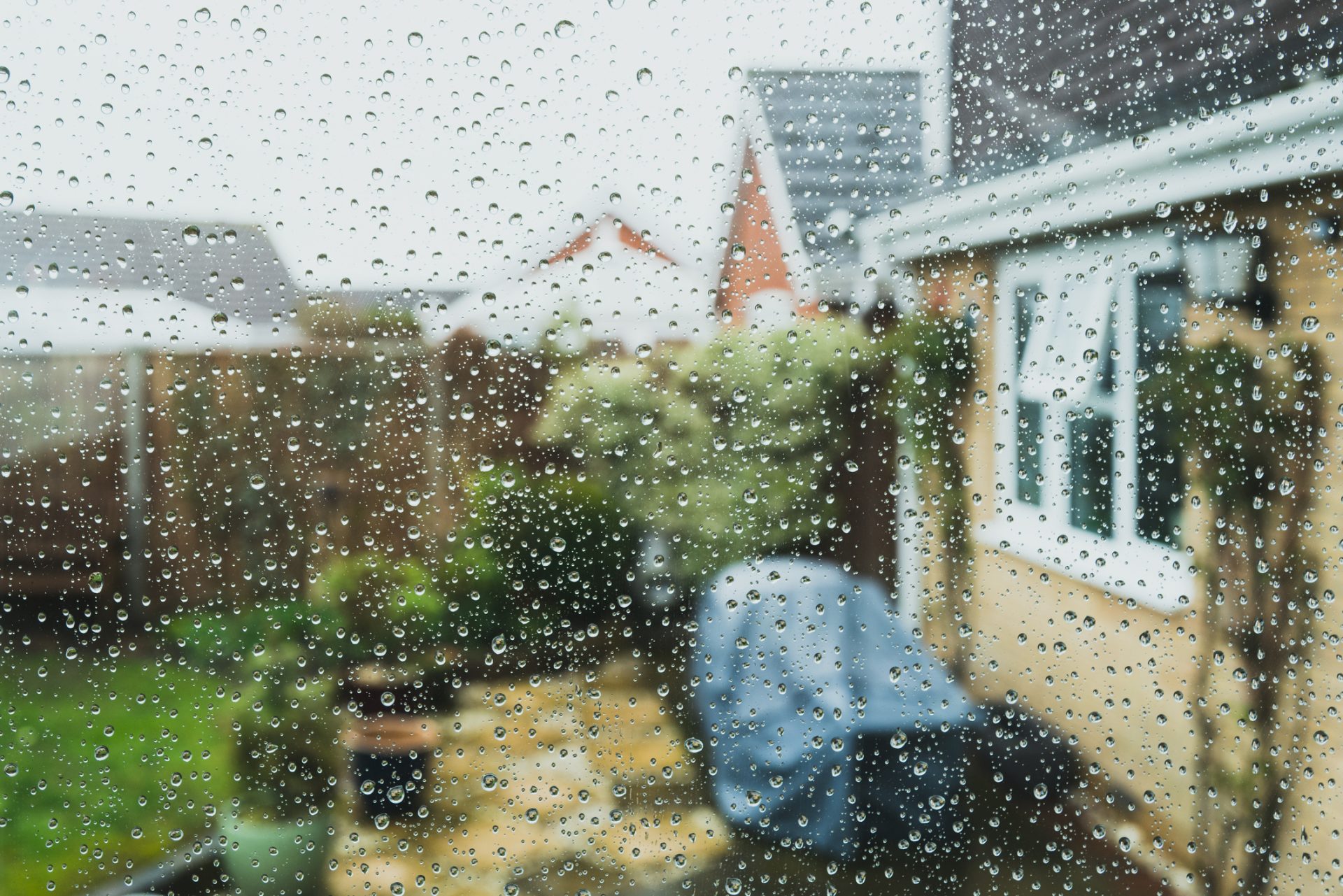
Damp, Mould & Condensation
On this page, you’ll find useful definitions and advice on spotting, managing and reporting damp and mould in your home.

Read our policy
Read our damp, mould and condensation policy here.

Awaab’s Law
Click below to find out more about Awaab’s law, a new national legislation designed to keep residents safe by making sure damp, mould and other serious hazards are dealt with quickly and effectively
Damp, Mould & Condensation.
Your home should be a safe and comfortable place. Damp and mould can appear for many reasons, and catching them early can help to prevent more serious issues.
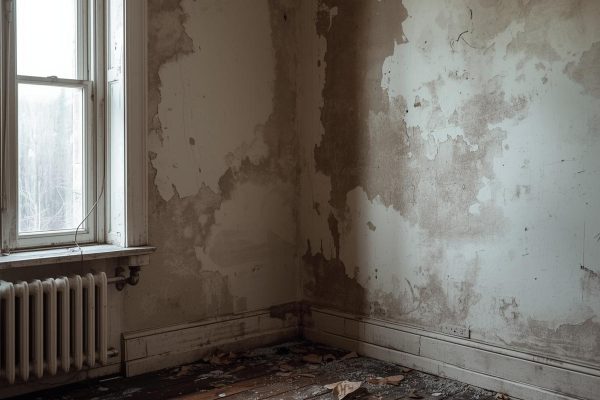
Damp
Unwanted moisture that has built up over time. Look for tide marks, peeling wallpaper or a musty smell.
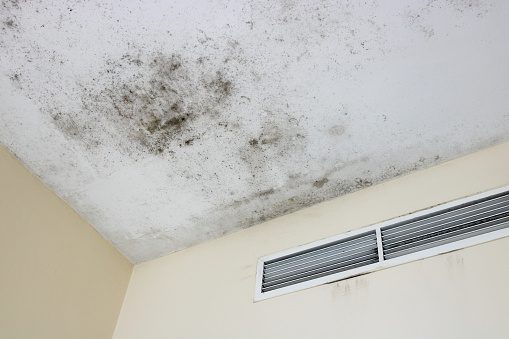
Mould
Appears as black, green or white fuzzy spots. It can grow in damp or poorly ventilated areas, so we advise making it a habit to check these areas regularly:
Windowsills and frames;
Baths and showers;
Behind furniture placed against external walls;
Kitchens – around sinks and cooking areas;
Built-in wardrobes and corners of rooms;
Ceilings and high corners.
Report these things early if you notice them
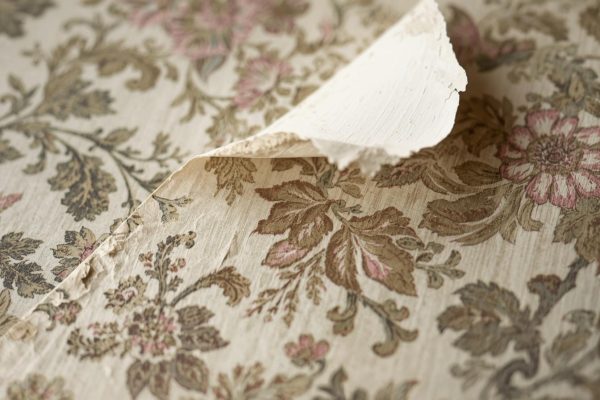
Peeling paint or wallpaper
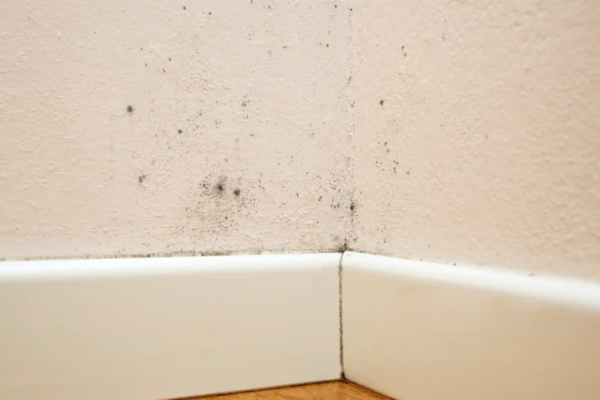
Small black dots on ceilings or walls
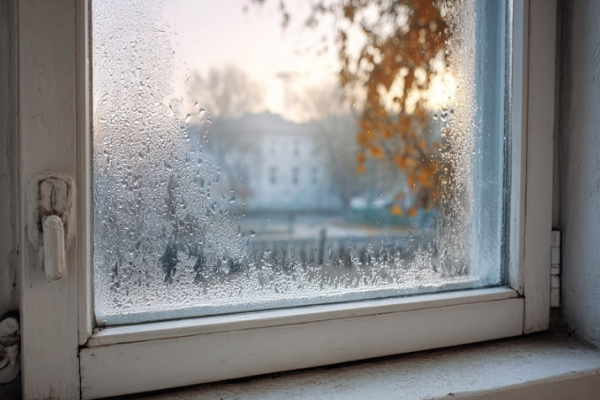
Excess condensation running down windows
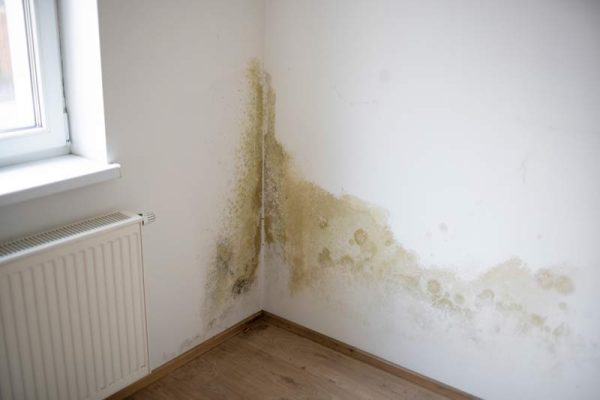
Damp patches that aren’t drying out
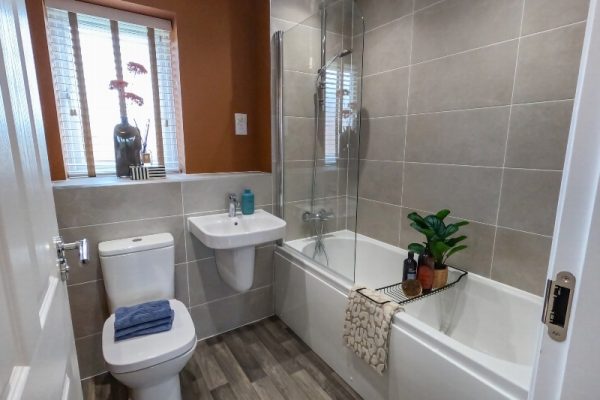
A musty or earthy smell
Tips on how to reduce moisture in your home:
- Open windows for short periods to allow air flow
- Make use of extractor fans in kitchens and bathrooms
- Keep lids on pans when cooking
- Move furniture slightly away from walls
- Dry clothes outside if possible
Need to report an issue with damp or mould? If you spot any signs of damp, mould or excess condensation, you can log it using My Brolly. If you don’t yet have access to My Brolly, you can contact your Management Provider.
Reporting issues early helps us to resolve them faster and helps to keep your home healthy.
Understanding damp, mould & condensation: keeping your home healthy
From the Association of Safety & Compliance Professionals
Back to Health & Safety Hub
Back to Repairs