









Sustainability at Millwright Place: Giving materials a second life
9 June 2026
Sustainability isn’t just about big commitments or long‑term targets. It’s also about the everyday decisions we make in the sales and marketing team – choosing to repurpose materials and reduce waste wherever we can. At Millwright Place, that approach is clearly on show in a simple but meaningful way: by recycling and reusing our building site hoarding.
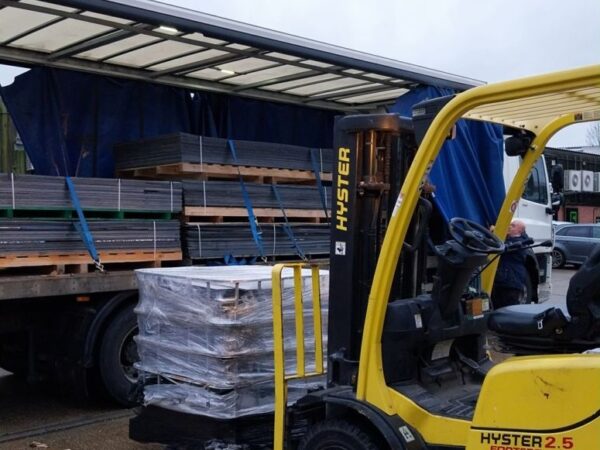
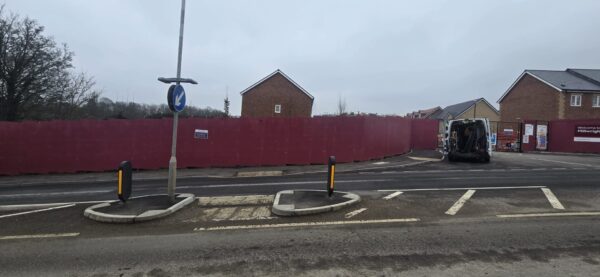
Construction hoarding plays an important role during development by keeping sites safe and secure as well as delivered critical marketing messages to prospective buyers. However, once construction is finished, there’s no purpose for it anymore and so it’s treated as a single-use material and sadly it ends up being discarded. At Millwright Place, we’ve taken a different approach – by using a composite material it can be completely recycled after use.
A practical step towards more sustainable construction
Reusing site hoarding helps cut down on material waste and reduces the need to manufacture new materials for future developments. It’s a practical example of circular thinking in action. Recycling this material requires less energy, generates less emissions, and creates less water pollution.
While this may seem like a small intervention, it reflects a much broader mindset. Sustainability isn’t always about complex technologies or major infrastructure changes; it’s also about making thoughtful choices that, when repeated across sites and over time, add up to meaningful impact.
Sustainability built into the way we work
We are striving to be a Net Carbon Zero organisation. From the earliest stages of development, we look at how we can minimise environmental impact – whether that’s through more efficient use of materials, designing homes that support lower energy use, or creating places where people can live well for the long term. Recycling site hoarding sits alongside these wider efforts, reinforcing the idea that sustainability should run through every stage of a development, not just the finished homes.
As we continue to deliver much‑needed homes across the country, we remain focused on doing so in a way that’s responsible, resilient and forward‑looking. Sometimes that starts with something as simple as making sure materials don’t go to waste – and making sustainability part of everyday practice.