





Your journey to home ownership starts here
Shared Ownership can help you onto the property ladder sooner, with lower initial deposits than purchasing a home outright. Break the rental cycle with brand-new homes all across the country.

How does Shared Ownership work?
Shared Ownership is another way to get onto the property ladder. You buy a share of your home and pay rent on the rest. This way, you can get started with a smaller deposit and buy more shares later when the time is right.
This means stability and security in a home that you can call your own, giving you a solid foundation to start the next chapter of your life.


Home Ownership
You’ll own a portion of your home, and pay rent on the share you don’t currently own. This can be increased through ‘staircasing’.

Mortgages
You’ll obtain a mortgage for your portion of the Shared Ownership home, just like a traditional house purchase.

Deposits
A Shared Ownership deposit is often far lower than you might expect, because you’re only buying a portion of your home.
Our reviews




Frequently asked questions
Shared Ownership allows you to buy a portion of a property, generally between 25% and 75%, although sometimes as little as 10% of the full market value. This is quite a big range, so you’ll need to think about what percentage is affordable to you and what deposit you have available, or you’ll realistically be able to save.
We encourage our customers to buy the biggest share that they can afford, but generally we recommend that between 25% and 45% of a person’s monthly household income should go towards the cost of housing. We recommend talking to your mortgage broker to understand more about your affordability.
Please speak to one of our Sales Consultants who can put you in touch.
Yes, your service charge or estate management charge will be included as part of the total monthly costs of your new Shared Ownership home. Our sales consultants will explain this as part of your purchase.
Service charges will be used to cover communal areas of apartments and coach houses, such as:
- Roofs, external pipes or drains
- Communal gardens or external areas
- Cleaning and building insurance
For Shared Ownership homes, your estate management charge will contribute towards:
- Grounds maintenance, including grass cutting and upkeep of outdoor spaces
- Landscaping, such as car parks and footpaths
- Security and insurance
Ground rent is not generally applicable on our developments, but your legal representative will confirm this in relation to any property you are looking to purchase shares of.
If you haven’t owned a property before, then it’s possible that you won’t need to pay Stamp Duty on your first Shared Ownership home. This is due to the minimum threshold at which Stamp Duty is charged on a purchased home. With the changes to Stamp Duty as of 1st April 2025, however, this may differ depending on your specific circumstances.
Shared Ownership buyers have two options when paying Stamp Duty:
- You can choose to pay stamp duty on the full value of your home, and effectively get this financial lump sum out of the way early. This option also means you won’t need to pay stamp duty after, even if you staircase to a larger share down the line.
- You can pay stamp duty on the share you’ve purchased, instead. If you’re buying a 10% share in a £250,000 home, this may mean you won’t pay any stamp duty as part of your initial purchase.
There are benefits to choosing either option, and a tax advisor will be able to guide you towards the most suitable approach for your situation.
Most buyers find that Shared Ownership is cheaper than renting, despite rent and mortgage costs combining each month. This is because your costs are calculated based on your percentage of ownership, rather than privately renting, which is often much harder to quantify.
To get a clearer picture of how much you might end up paying on a new Shared Ownership home, take a look at our handy Affordability Calculator, which will break down your predicted outgoings.
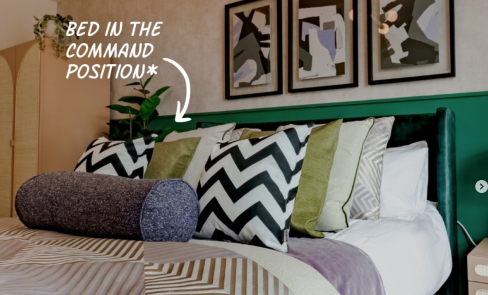
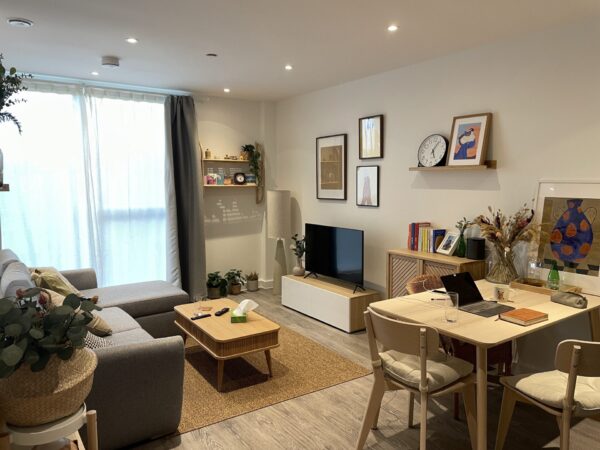
Absolutely! It’s a common Shared Ownership myth that you can’t make changes to your home, but you can personalise your new property in a variety of ways, including:
- Furniture to fit your unique aesthetic
- New wallpaper to brighten up your rooms
- Painted walls to make a statement
The only instance in which you’d need to obtain permission from your property manager (such as Legal & General Affordable Homes) is if your home improvements affect the structure of the house. This includes fitting a new kitchen or bathroom.
What does Shared Ownership mean to our customers?
Meet Ugonna
“It has elevated our life and we’re calmer people now.”

Meet Leia
“The whole process from start to finish was amazing.”

Meet Jamie
“Shared Ownership was the only realistic way for me to get on the property ladder”

Meet Charlotte
“I found the whole Shared Ownership experience really easy”

Meet Rebecca
“We both fell in love with the home, it was so nice, fresh and clean too”

Meet Daisy
“I used Shared Ownership as I had a limited budget and wanted to live in London”




Latest news and events
Why Shared Ownership provides a perfect family home
4 min readShared Ownership is a very popular way for people to get onto the property ladder in England, but there’s …

How to save for a deposit when renting
5 min readSaving for a house deposit can feel very tricky, especially if you’re already renting a home. Estimates suggest that …

Alton Local Area Guide
5 min readKnown for its Saxon roots and convenient travel links, Alton is a popular commuter town with records dating back …

Shared Ownership is 36% cheaper than traditional homebuying
3 min readOne of the biggest benefits of Shared Ownership is that it is often a much more affordable way for …
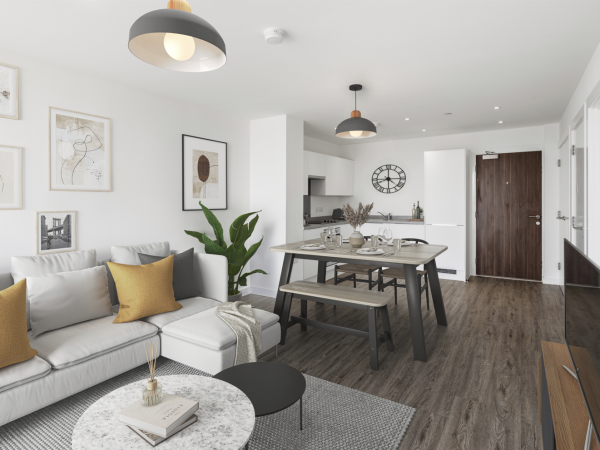
What to look for when viewing a house
7 min readWhen you’re on your homebuying journey, your first house viewing can be an incredibly exciting experience. You get to …
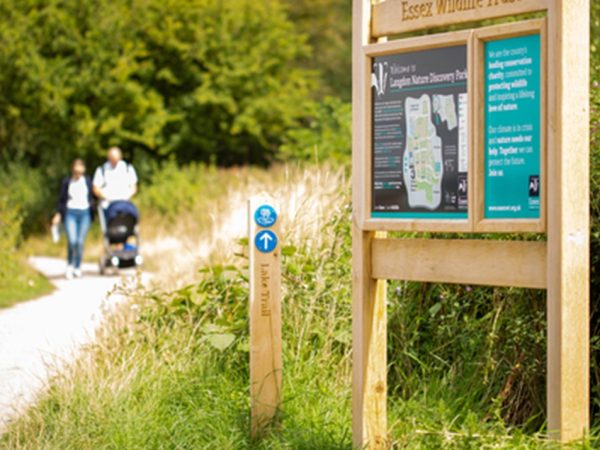
Essex Local Area Guide
5 min readWith more and more working professionals and families moving out of London, Essex has become an incredibly popular place …
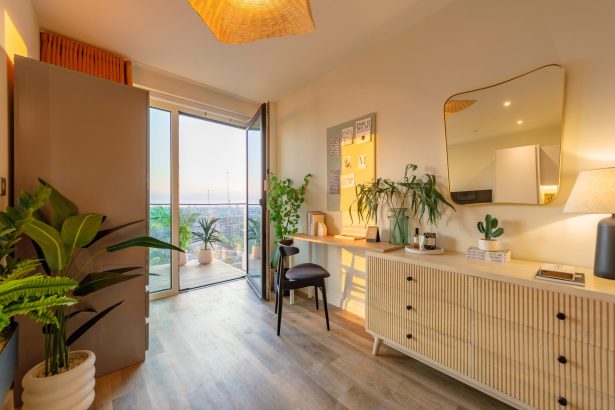
The Acer Apartments



East River Wharf
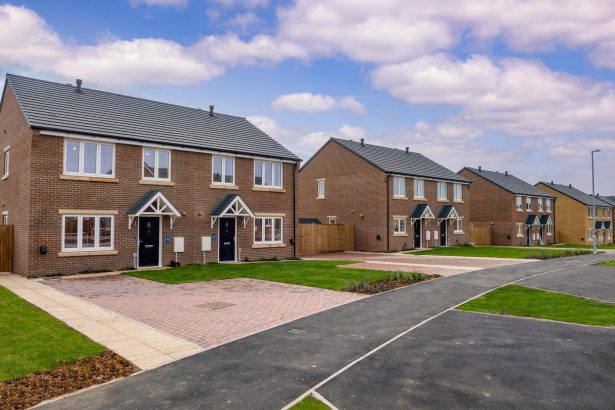
Sampson Green
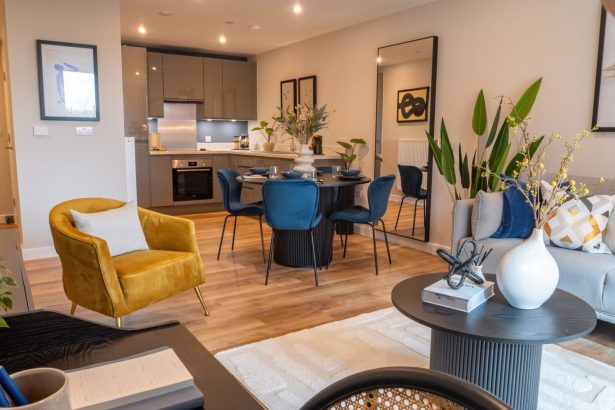
Perry Barr Village

Cavalier Court
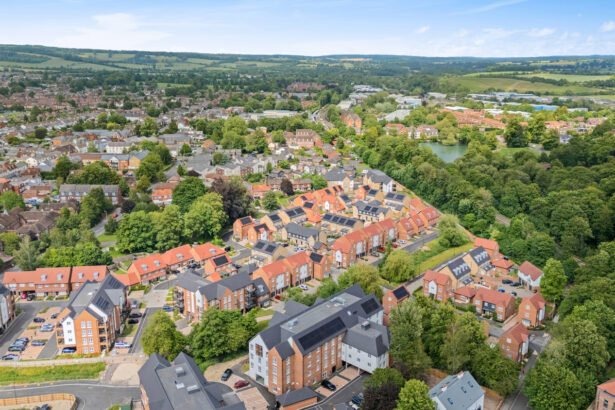
Rivermead Gardens
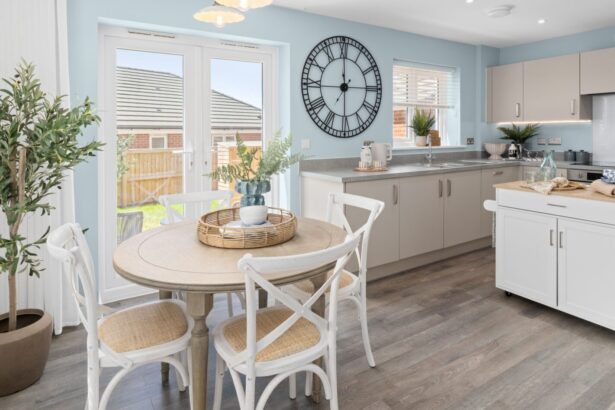
Benson Grange
Connect with our social feed